In the era of digital transformation, businesses in New Zealand are continually seeking innovative ways to streamline operations, reduce costs, and enhance productivity. At the forefront of this industrial evolution is Siemens, a global technology leader renowned for its commitment to smart manufacturing. Through its cutting-edge solutions and integrated systems, Siemens empowers manufacturers to enhance efficiency, agility, and competitiveness in today’s fast-changing industrial landscape.
What is Smart Manufacturing?
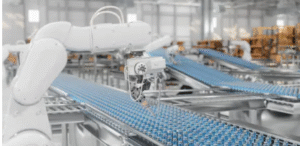 Smart manufacturing significantly refers to the use of advanced technologies, such as automation, data analytics, artificial intelligence (AI), and the Industrial Internet of Things (IIoT), to optimise production processes. This approach enables real-time decision-making, predictive maintenance, and seamless integration across the value chain.
Siemens is pioneering this revolution with its innovative suite of solutions designed specifically to drive smart manufacturing across various industries. From digital twins and industrial automation to intelligent data management, Siemens provides manufacturers with the tools to transition from traditional processes to highly efficient, intelligent production systems.
The Siemens Smart Manufacturing Ecosystem
At the heart of Siemens’ approach to smart manufacturing is its Digital Enterprise Suite—an end-to-end portfolio that connects the virtual and physical worlds. This suite integrates product design, production planning, engineering, execution, and services into one cohesive digital framework.
1. Digital Twin Technology
Siemens’ Digital Twin technology creates a virtual replica of a product, production line, or entire facility. It allows manufacturers to simulate, test, and optimise their operations before actual implementation. As a result, businesses can identify potential bottlenecks, reduce errors, and accelerate product development.
By simulating real-world behaviour in a virtual environment, Siemens helps manufacturers fine-tune every detail—from design to delivery—significantly reducing time-to-market and operational costs.
2. SIMATIC Automation Systems
A cornerstone of Siemens’ smart manufacturing solutions is its SIMATIC automation platform, which includes programmable logic controllers (PLCs), distributed control systems, and human-machine interfaces (HMIs). These systems enable precise control and monitoring of production processes, improving consistency and minimising downtime.
With SIMATIC, businesses can achieve seamless integration between machinery and IT infrastructure, allowing for more flexible and responsive manufacturing environments.
3. MindSphere: Industrial IoT in Action
Siemens MindSphere is an open cloud-based IoT operating system that connects machines, systems, and devices to collect and analyse vast amounts of production data. Through MindSphere, manufacturers gain actionable insights that help them optimise performance, reduce energy usage, and improve quality control.
By leveraging real-time data, businesses can implement predictive maintenance strategies, reduce unplanned downtime, and extend the life of critical equipment—all essential factors for boosting overall efficiency.
Benefits of Siemens Smart Manufacturing Solutions
The impact of Siemens on smart manufacturing extends far beyond technology. Here are several key benefits businesses can experience when adopting Siemens solutions:
- Increased Productivity: Automation and digitalisation streamline workflows, enabling faster and more efficient production cycles.
- Cost Reduction: Improved resource management and reduced downtime lead to lower operational costs.
- Enhanced Quality Control: Real-time data monitoring and predictive analytics improve product consistency and reduce defects.
- Scalability and Flexibility: Siemens solutions allow manufacturers to scale operations quickly and adapt to changing market demands.
- Sustainability: Siemens helps companies minimise waste and energy consumption, contributing to more environmentally responsible manufacturing practices.
Real-World Applications of Siemens in Manufacturing
Across industries, Siemens is transforming how businesses operate. In automotive manufacturing, for instance, Siemens enables the production of customised vehicles at scale through its flexible automation and digital twin technologies. In the food and beverage industry, Siemens ensures safety, quality, and traceability by automating and monitoring critical processes.
Siemens and Industry 4.0
Siemens is a driving force behind Industry 4.0, the fourth industrial revolution characterised by the fusion of physical and digital technologies. By supporting open standards and interoperability, Siemens ensures that its solutions can integrate seamlessly with other systems, allowing businesses to future-proof their operations and stay ahead in a competitive market.
The company’s commitment to innovation, digital transformation, and sustainability positions Siemens as a trusted partner for businesses navigating the challenges of modern manufacturing.
Investing in Workforce Empowerment
Smart manufacturing isn’t just about machines—it’s also about people. Siemens supports workforce development through training programs, digital learning platforms, and partnerships with educational institutions. By empowering employees with the skills needed to operate and manage smart systems, Siemens ensures that businesses maximise their return on technology investments.
Conclusion
As manufacturers in New Zealand seek to enhance efficiency, agility, and competitiveness, Siemens provides a proven path forward through smart manufacturing. By combining automation, digitalisation, and data-driven decision-making, Siemens helps businesses unlock new levels of performance and resilience.
Whether you’re a small manufacturer or a global enterprise, adopting Siemens smart manufacturing solutions means embracing the future of the industry—efficient, connected, and intelligent.
Comments are closed, but trackbacks and pingbacks are open.